Damp Proofing
What is Damp Proofing and do I need it?
Damp is one of the most common problems homeowners encounter, but knowing what is causing it — and whether damp proofing is actually needed — can be much less straightforward.
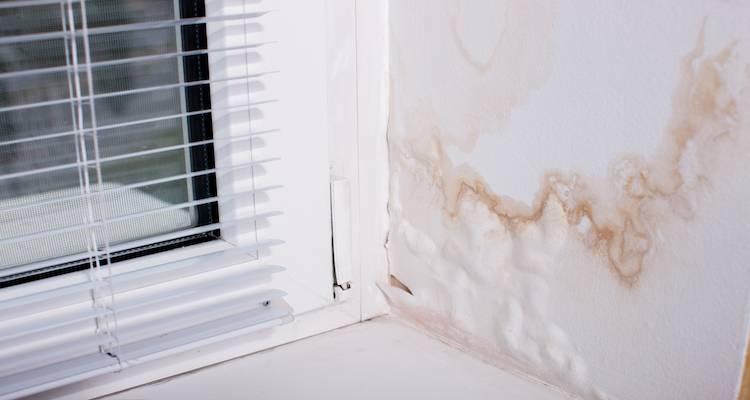
Damp can appear as peeling paint, staining, mould, musty smells, damaged plaster or patches of moisture on walls. However, not all damp is caused by the same problem, which is why identifying the source should always come before deciding on a treatment.
At Harding Homes Building & Preservation, we believe damp should be properly investigated before any work is recommended. The right solution depends on the type and cause of the damp, the construction of the property and the condition of the building.
What is damp proofing?
Damp proofing is a range of measures used to help prevent or control moisture entering or travelling through a building.
Depending on the cause of the problem, this might involve repairing defects, improving drainage or ventilation, waterproofing a structure, treating affected timber or installing or repairing a damp-proof course.
The important thing to understand is that damp proofing isn't one single treatment.
A damp patch on a wall doesn't automatically mean that you need a new damp-proof course. In some cases, the underlying problem could be something as simple as a leaking gutter, defective pointing, a plumbing leak or condensation.
That's why diagnosing the cause is such an important first step.
What causes damp?
There are several different types and causes of damp, and they can sometimes look very similar.
Rising damp
Rising damp occurs when moisture from the ground moves upwards through the materials of a building.
Modern properties commonly have a damp-proof course (DPC) designed to help prevent this. Older buildings may have different construction methods, and a damp-proof course may be absent, damaged or bridged.
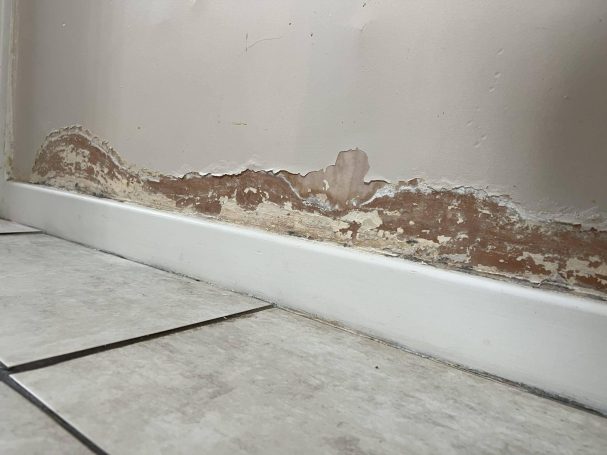
Typical signs can include dampness concentrated towards the lower part of walls, damaged plaster, staining and salts appearing on the surface.
However, these symptoms can also be caused by other problems, so a proper inspection is important before assuming that rising damp is the cause.
Penetrating damp
Penetrating damp occurs when water gets into a building from outside.
Possible causes include:
- damaged or blocked gutters
- defective downpipes
- damaged roof coverings
- cracked or defective render
- deteriorated pointing
- damaged external walls
- defective window or door seals
Penetrating damp can often be resolved by addressing the source of the water rather than installing a damp-proofing system.
Condensation
Condensation happens when warm, moisture-filled air comes into contact with a colder surface.
It is particularly common in bathrooms, kitchens and bedrooms and can contribute to mould growth and surface dampness.
Improving ventilation, heating and airflow can often make a significant difference.
Basement and below-ground damp
Basements, cellars and other areas below ground level can be particularly vulnerable to water ingress.
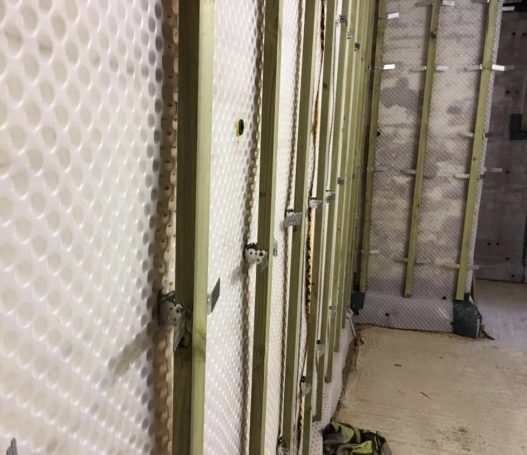
Depending on the building and the severity of the problem, solutions can include waterproofing systems, drainage arrangements, tanking or cavity drain systems.
These situations need to be assessed carefully because below-ground waterproofing needs to be designed around the structure and how the space is intended to be used.
Do I need damp proofing?
Possibly — but you shouldn't assume that you do simply because you have damp.
The first question should be:
Where is the moisture coming from?
A professional inspection can help establish whether you're dealing with rising damp, penetrating damp, condensation, plumbing leaks, groundwater or another building defect.
Once the cause has been identified, the appropriate repair can be recommended.
In some cases, the solution may be relatively simple. In others, more extensive damp proofing or waterproofing may be appropriate.
What happens during a damp inspection?
A good inspection should involve more than simply taking a moisture reading from a wall and recommending a treatment.
The building should be considered as a whole.
This can include looking at:
- the location and pattern of damp
- internal and external walls
- gutters and downpipes
- roof condition
- pointing and render
- floors and ground levels
- ventilation
- plumbing
- existing damp-proof courses
- timber condition
- signs of salt contamination
- previous repairs or treatments
Understanding the construction and history of the property can be just as important as taking measurements.
Why treating the cause matters
Applying a treatment without properly understanding the underlying problem can mean that the damp returns.
For example, if water is entering through a defective gutter, installing a damp-proof course isn't going to fix the gutter.
Likewise, if condensation is responsible for mould growth, simply treating the wall without addressing ventilation and moisture levels may not solve the underlying issue.
The aim should always be to identify the source of the moisture and recommend the most appropriate solution.
How much does damp proofing cost?
There isn't one standard price for damp proofing because the cost depends on the cause, the size of the affected area, the construction of the property and the work required.
A small repair to a leaking external defect may be considerably less involved than treating extensive damp or waterproofing a basement.
For that reason, we recommend having the property assessed before committing to a particular treatment.
Damp proofing at Harding Homes
At Harding Homes Building & Preservation, we work with homeowners to identify and address problems affecting the condition of their properties.
Our services include damp proofing, structural waterproofing, timber treatments, roofing and general building and renovation work.
We take a cause-first approach — looking at the property and the symptoms before recommending what work may be required.
If you're concerned about damp in your home, we're happy to discuss the problem and arrange an assessment where appropriate.
Worried about damp?
Don't ignore persistent damp, mould or water staining. Early investigation can help prevent a relatively small building defect from developing into a much larger and more expensive problem.
Contact Harding Homes Building & Preservation to discuss your damp or waterproofing concerns.